Hands-On Care & Rehabilitation
Adjusting, soft-tissue work, and corrective rehab — all under one roof in Provo. Imaging tells us what to fix. Hands-on care is how we fix it.
Adjusting. More Than One Technique.
There’s no single right way to adjust a spine. We match the technique to the patient — body type, condition, comfort, and clinical goal — instead of forcing every case through the same protocol.
Diversified / Manual
The classic hands-on chiropractic adjustment. Precise, specific, and delivered with the patient positioned for maximum mechanical advantage.
Drop-Table / Thompson
A specialized table with segmented drops reduces the force needed to mobilize a joint. Ideal for sensitive patients and acute injuries.
Instrument-Assisted
Activator and similar instruments deliver a small, controlled impulse without manual rotation. Especially useful for delicate segments and patients who prefer low-force techniques.
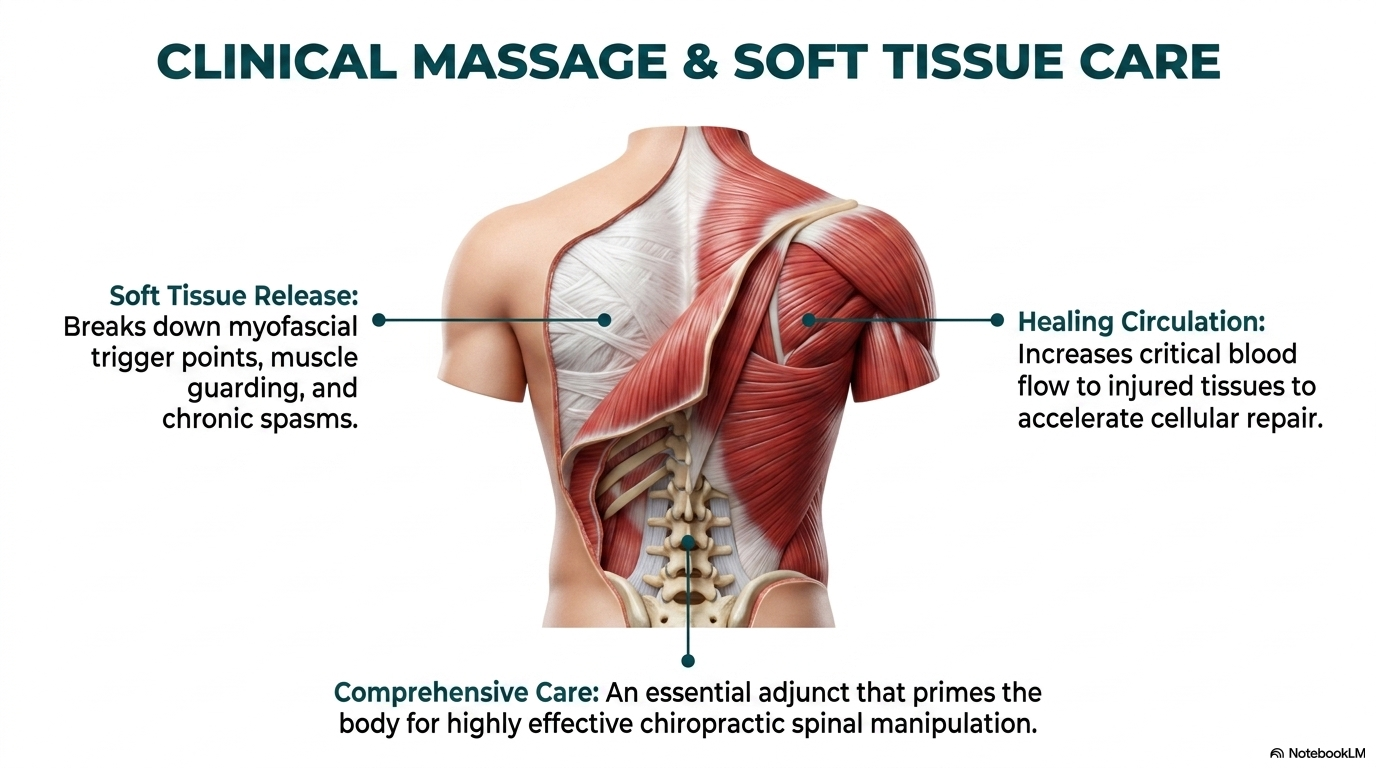
Soft-Tissue Therapy
An adjustment moves a joint. But if the surrounding muscle, fascia, and ligament tissue is locked, restricted, or scarred, the joint won’t hold the correction. That’s why we treat both.
In-Clinic Options
Manual myofascial release · Instrument-assisted soft-tissue (IASTM) · Trigger point therapy · Therapeutic massage
When We Use Them
Acute spasm or guarding · Post-injury scar tissue · Chronic myofascial pain · Pre-adjustment prep on tight cases
Corrective Exercise & Rehabilitation
Imaging tells us where the problem is. Hands-on care releases it. Rehab is how we make the correction stick — so you’re not back in the office in six months for the same complaint.
Postural Correction
Specific exercises that reinforce the structural changes we’re working toward. Often derived directly from what your motion X-ray shows about how you load and move.
Core & Stabilization
Targeted work for the deep stabilizers of the spine and pelvis, with progression based on what your imaging and exam show — not generic core routines.
Return-to-Activity
Sport-specific and job-specific progressions so you return to what you do at full capacity — not held back by lingering compensation patterns.
Why we do all three under one roof
Most clinics specialize in one technique. We don’t — because the cases that actually heal need all three working together.
- 1 Imaging finds the driver. Full-spine X-ray, motion X-ray, MRI correlation — we identify the actual mechanical problem.
- 2 Hands-on care releases it. Adjusting and soft-tissue therapy unlock restricted segments and tissue.
- 3 Rehab makes it last. Targeted exercise prevents the compensation patterns that cause relapse.
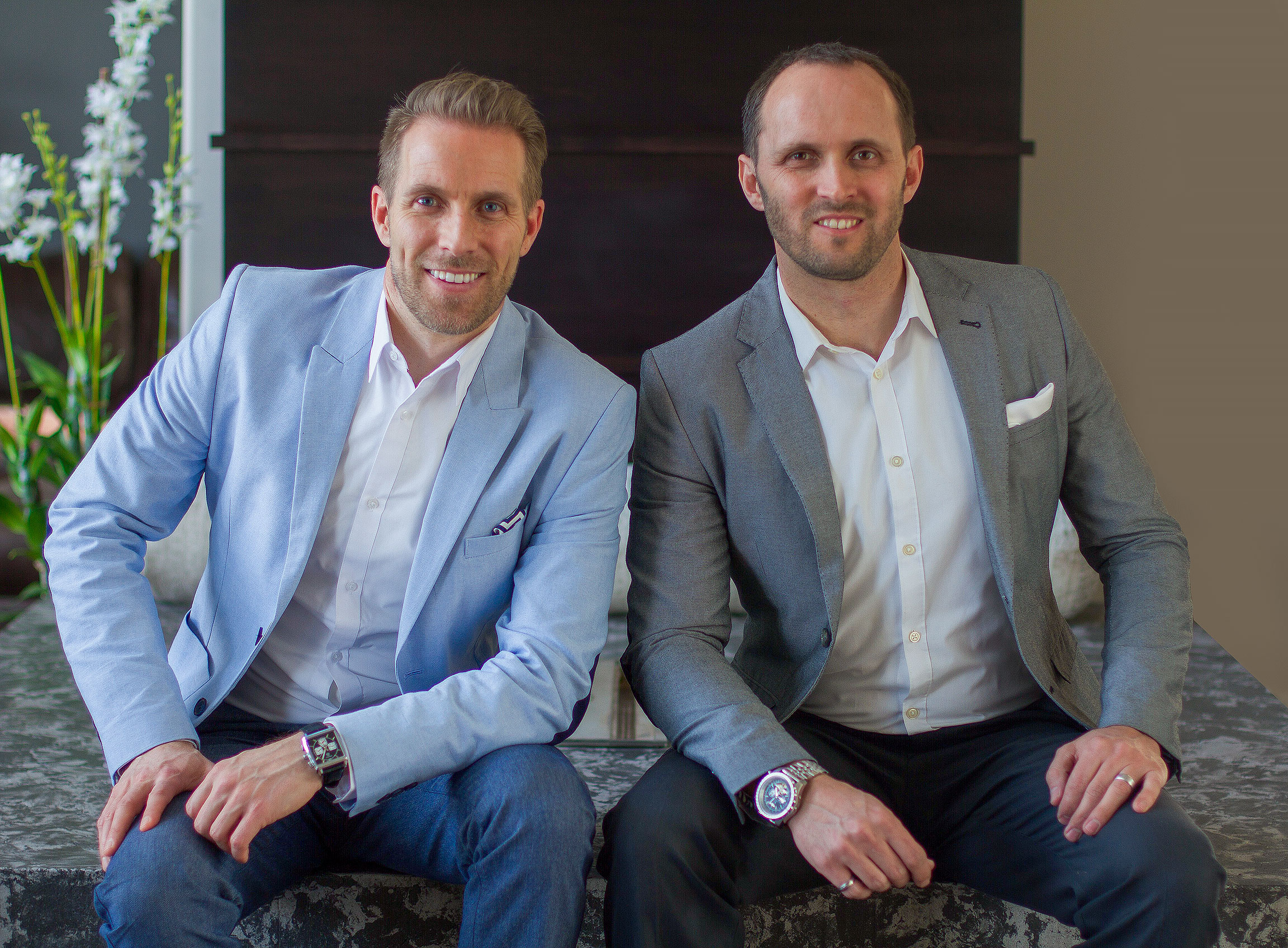
Three doctors. Fellowship-trained. One protocol.
All three McClean doctors hold the FSBT (Fellow of Spinal Biomechanics & Trauma) designation — a credential most chiropractors never pursue. That means every adjustment, every soft-tissue technique, every rehab progression is anchored in real biomechanical reasoning, not guesswork.
McClean Chiropractic has been adjusting Utah County families since 1965 — three generations of hands-on spine care.
Hands-on care FAQ
Not necessarily. Adjustments happen when they’re clinically indicated. Some visits are adjustment + soft-tissue, some are rehab-focused, some are modality-based. The mix depends on where you are in your care plan.
For most people, no. You’ll feel pressure and sometimes hear a “pop” (gas release in the joint, not bone cracking). Post-adjustment soreness for 12-24 hours is common in the first week and fades quickly.
Chiropractic is among the safest manual therapies available. We screen every patient with a thorough exam and imaging when indicated, and we match technique to the case. We don’t force the same adjustment on every spine.
Yes. Drop-table and instrument-assisted techniques are specifically for patients who prefer a lighter adjustment or whose case calls for less force. Ask at your exam.
Often yes, depending on the case. We’ll sequence the day so each modality supports the others.
Yes. In many cases more than the adjustment itself. The adjustment creates the opportunity for change; the exercises make the change stick. Patients who do the rehab consistently get dramatically better long-term outcomes.
Ready for hands-on care with a plan behind it?
Adjusting, soft-tissue, and rehab. Delivered by fellowship-trained doctors, sequenced to your specific case. Same-week appointments.
Related at McClean Chiropractic