Motion X-Ray Chiropractor in Provo, UT
See the hidden ligament injuries and spinal instability that static X-rays. And even MRI. Routinely miss. Motion Works DMX digital motion X-ray is performed on-site at McClean Chiropractic and read by Fellowship-trained spinal biomechanics specialists.
A "normal" X-ray doesn't mean nothing is wrong
Most patients who walk into an emergency room or urgent care after a car accident leave with a familiar message: “Your X-rays look fine. Nothing is broken.” And that’s technically true. But a static X-ray is a single frozen snapshot of your spine at rest. It cannot show how your vertebrae actually move relative to each other. Which is exactly where most post-crash and chronic-pain injuries live.
Ligaments, for example, are invisible on a standard X-ray. So are the motion-dependent pinches, slips, and instability patterns that cause most lingering neck pain, headaches, and radicular symptoms after a whiplash event. A patient can have a catastrophically injured alar or transverse ligament and walk out of the ER with a clean bill of health. Only to struggle with dizziness, cervicogenic headaches, and neck pain for years because no one ever looked.
That’s the diagnostic gap motion X-ray was built to close.
-
Ligament laxity and instability. Injured ligaments don’t show up on static imaging
-
Motion-dependent nerve compression. A pinch that only happens when you turn your head
-
Facet joint dysfunction. Joints that lock, gap, or slip during movement
-
Post-whiplash cervical instability. The most under-diagnosed cause of chronic post-crash symptoms
-
Weight-bearing disc behavior. A disc that looks fine lying in an MRI scanner can herniate when loaded
What is digital motion X-ray (DMX)?
Digital motion X-ray. DMX. Is fluoroscopic imaging captured at roughly 30 frames per second while you actively move your spine. Instead of one static image, we record a video of the bones of your neck or low back while you flex, extend, side-bend, and rotate. Each frame can be analyzed individually, and AI-assisted measurement tools let us quantify exactly how each vertebra moves relative to its neighbors.
We perform the scan on-site using the Motion Works DMX system. The same class of imaging technology used in medico-legal cases across the country. A typical cervical or lumbar motion study takes 10, 15 minutes of scan time. Your doctor can walk you through preliminary findings before you leave, with a full written report and annotated images available within 24, 48 hours.
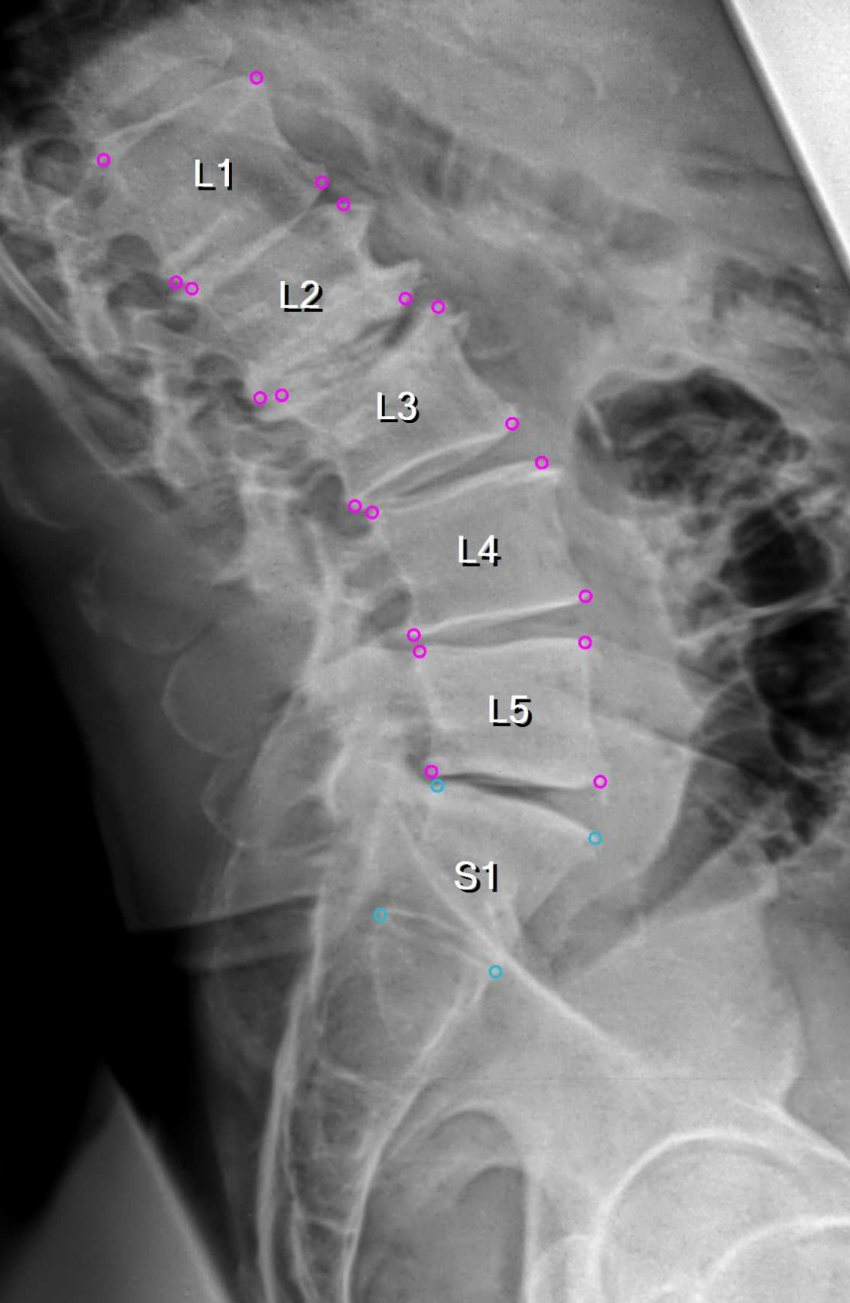
What motion X-ray reveals that static imaging can't
-
Cervical ligament injury. Alar, transverse, and anterior/posterior longitudinal ligament laxity
-
Atlanto-axial and atlanto-occipital instability. Often the hidden cause of chronic headaches and vertigo
-
Segmental hypermobility and hypomobility. Vertebrae moving too much or not at all
-
Flexion-extension aberrations. Paradoxical or stepped motion patterns after whiplash
-
Facet joint laxity and subluxation. Joints that open or slip under load
-
Quantified range-of-motion deficits. Hard numbers you can use for insurance, attorneys, and specialists
-
Medico-legal documentation. Board-readable imaging for personal injury, workers’ comp, and disability cases
When should you consider motion X-ray imaging?
Motion X-ray is not for every patient. It’s a targeted diagnostic tool for situations where static imaging has failed to explain the symptoms, or where dynamic spinal behavior is clinically relevant. We’ll decide with you during your consultation whether a motion study is medically indicated.
-
After a car accident. Even a low-speed or "minor" collision. Ligament injuries do not scale with vehicle damage
-
Persistent neck or back pain that hasn’t resolved after weeks or months of treatment elsewhere
-
Post-concussion symptoms, chronic headaches, dizziness, or vertigo. Particularly when imaging has been "normal"
-
Your static X-rays or MRI came back clean but you still hurt. The next step is often dynamic imaging
-
You’re being evaluated for spine surgery. Understanding actual motion matters before any irreversible decision
-
Personal injury, workers’ comp, or attorney-referred cases. Motion imaging creates objective documentation
Why we perform motion X-ray on-site
Most chiropractic clinics that offer motion imaging don’t own the equipment. They refer you to a separate facility, often 45 minutes away, and you wait days for a report to come back. We own the Motion Works DMX system on-site at our Provo clinic, so the entire diagnostic pathway happens in one building:
-
Motion Works DMX on-site. No referral, no driving, no week-long wait
-
Same-visit scan and preliminary review with your treating doctor
-
Fellowship-trained reading. Dr. Matt McClean, DC FSBT and Dr. Devin McClean, DC FSBT both completed the Fellowship in Spinal Biomechanics and Trauma in 2019
-
Custom cervical and lumbar protocols. Including flexion-extension, lateral bending, rotation, and George’s line analysis
-
AI-assisted quantitative measurement. Not just "it looks loose" but exact millimeter and degree values
-
Report + annotated images available for your attorney, surgeon, primary care provider, or insurance carrier
-
Correlation with your MRI and physical exam. We read the whole picture, not just one study
What patients say about our diagnostic process

“I had tingling and numbness in one arm and back. Dr. Matt did X-rays and ordered an MRI, and found an impinged nerve. He carefully adjusted and his staff were very methodical about treatment. Within a three-week period I was totally back to normal. The business is operated like a well-oiled machine.”
Bobbi K.
“I was in Utah on vacation with serious radicular pain down my left leg. I called Monday morning before they opened and was seen right away. Dr. Matt did an X-ray, adjusted me, and scheduled an MRI for later that evening. By Tuesday morning I knew I had a posterolateral disc herniation at L5/S1. Everyone. Receptionist, assistants, doctor. Was A+ top notch.”
Johnny K.
Motion X-Ray. Frequently Asked Questions
Is motion X-ray safe?
Motion X-ray uses fluoroscopy, which exposes you to more radiation than a single static X-ray but substantially less than a CT scan. The Motion Works DMX system uses pulsed imaging to minimize dose. For patients with a documented injury or unresolved symptoms, the diagnostic value far outweighs the radiation exposure. We do not perform motion imaging on pregnant patients or children except in specific, clinically indicated cases.
Does insurance cover motion X-ray?
Most auto insurance (PIP and third-party), personal-injury attorney liens, and workers’ compensation cases cover motion X-ray when it is medically indicated. Medicare and major health insurance coverage varies by plan. Call our office at 801-373-1035 and we’ll verify your benefits before you come in.
How long does a motion X-ray appointment take?
The scan itself takes about 10, 15 minutes. Plan for roughly 45 minutes total including consent, set-up, and an initial review with your doctor. A full written report with annotated images is typically available within 24, 48 hours.
Motion X-ray vs. MRI. Which one do I actually need?
They show completely different things. MRI is the gold standard for soft tissue. Discs, nerves, spinal cord, edema. Motion X-ray is the gold standard for dynamic instability and ligament injury. If you’ve had whiplash, persistent post-crash symptoms, or your static imaging was “normal” but you still hurt, motion X-ray is usually the missing piece. Many patients benefit from both. And we also offer a Free MRI Review if you’ve already had an MRI.
What if my static X-rays from the ER came back normal?
That’s actually the most common reason patients come to us for motion imaging. Static X-rays rule out fractures and gross bone disease. They do a good job of that. But they cannot show ligament injury, instability, or motion-dependent nerve compression. A “normal” static X-ray after a car accident doesn’t mean nothing is wrong; it means the bones weren’t broken.
Do I need a referral from another doctor?
No. You can self-refer. We’ll determine during your consultation whether motion imaging is medically indicated based on your history and physical exam. If your attorney, primary care doctor, or a specialist has already requested the study, we can perform it and send the report directly to them.
Can Dr. McClean read motion X-rays performed at another facility?
Yes. Dr. Matt McClean, DC FSBT, reads motion and static studies from other clinics and hospitals. You can upload your existing MRI or motion imaging through our Free MRI Review page for a complimentary expert interpretation.
Ready to see what's really going on?
McClean Chiropractic is one of the only chiropractic clinics in Utah County with on-site digital motion X-ray. Read by two fellowship-trained spinal biomechanics specialists. Call us and we’ll walk you through whether motion imaging is appropriate for your situation.